Universal Object Lookup
Messier, NGC, IC, Caldwell, Sharpless, clusters, stars, galaxies, planets, moons, comets, and spacecraft are accessible through a single query.
Each object includes magnitude, distance, velocity, flux, orbital parameters, closest approaches, and ephemerides.
Framing is computed using your sensor, rotation, and focal length to produce exact field-of-view alignment.
Weather Intelligence
14-day, hour-by-hour forecast restricted to true astronomical darkness.
Conditions are reduced to a 0–100 Imaging Score based on clouds, moonlight, humidity, wind, and pressure.
All calculations are aligned with Astronomical Timing for the exact observing location.
Target Finder
Deep-sky targets ranked for the current night based on altitude, airmass, angular size, and visibility windows.
Evaluation uses the same atmospheric model and timing system as the forecast.
Solar System Map
Real-time Solar System visualization using NASA JPL ephemerides.
There is also a direct API:
Target info (replace with any object, e.g. M3, M51)
https://astro.fzastro.com/api/lookup?q=pgc3096119
Weather (enter latitude and longitude)
https://astro.fzastro.com/api/see?lat=50.2459&lon=8.4923
Target list (best targets for the current night)
https://astro.fzastro.com/api/targets?lat=50.2459&lon=8.4923
Astrodark (enter latitude and longitude)
https://astro.fzastro.com/api/annual_darkness?lat=50.24&lon=8.49&year=2026&pretty=true
earth system
solar system
comets and heliosphere
nearby stars
distant stars
Planetary Nebula Exploding Star
Supernovae and Star Clusters
Star Birth Nebula
The Milky Way
Andromeda and the Local Group
The Local Volume
Virgo Supercluster
Local Superclusters
Colliding Galaxies
The Cosmos
The Microscopic
The Atom
The Microscopic
Elementary Particles
The Higgs Boson
Superposition
Quantum Entanglement
The Speed of Light
Special Relativity
General Relativity
Gravitational Lensing
Black Holes
Gravitational Waves
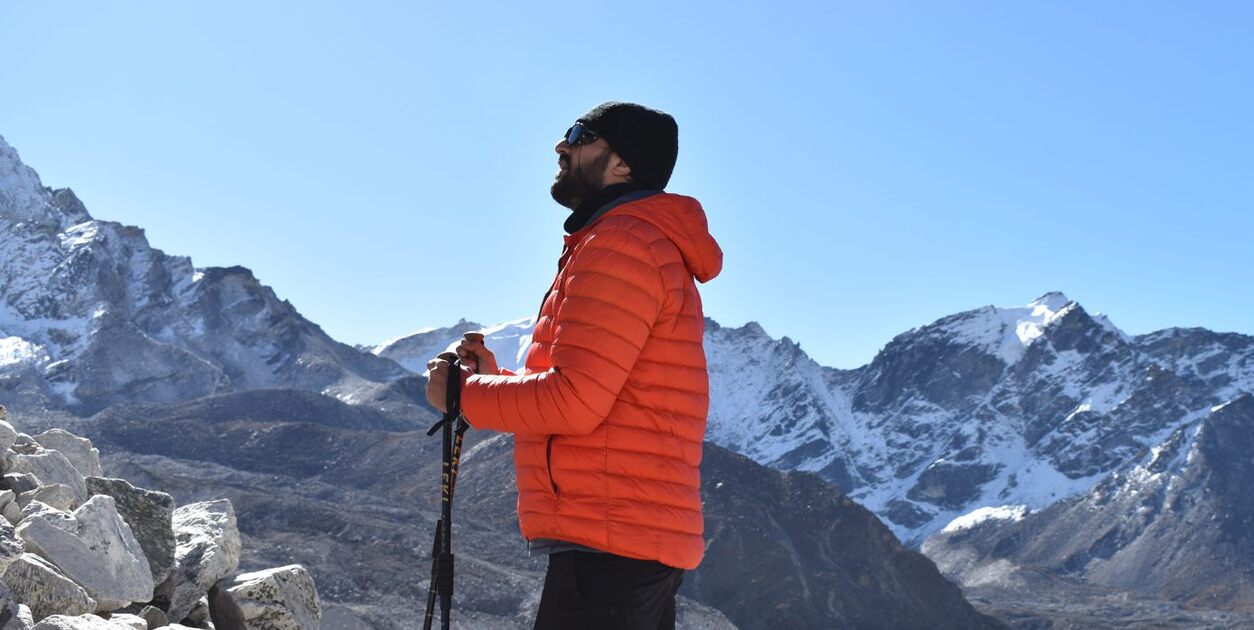
My name is Photios, and I am an engineer, explorer, and astro photographer.
From a young age, I was fascinated by the night sky and the mysteries it holds.
My journey into astrophotography began with a simple camera and a tripod but quickly evolved into a lifelong pursuit of capturing the hidden beauty of galaxies, nebulae, and star clusters.
With a background in engineering, I approach astrophotography with precision and scientific discipline.
Every image I capture is not just data or light; it is a story written across thousands or millions of years of cosmic history.
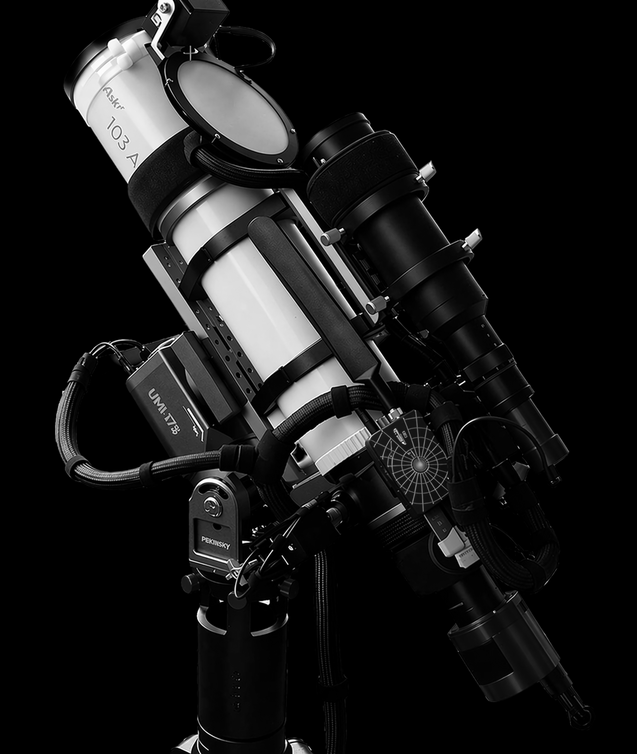
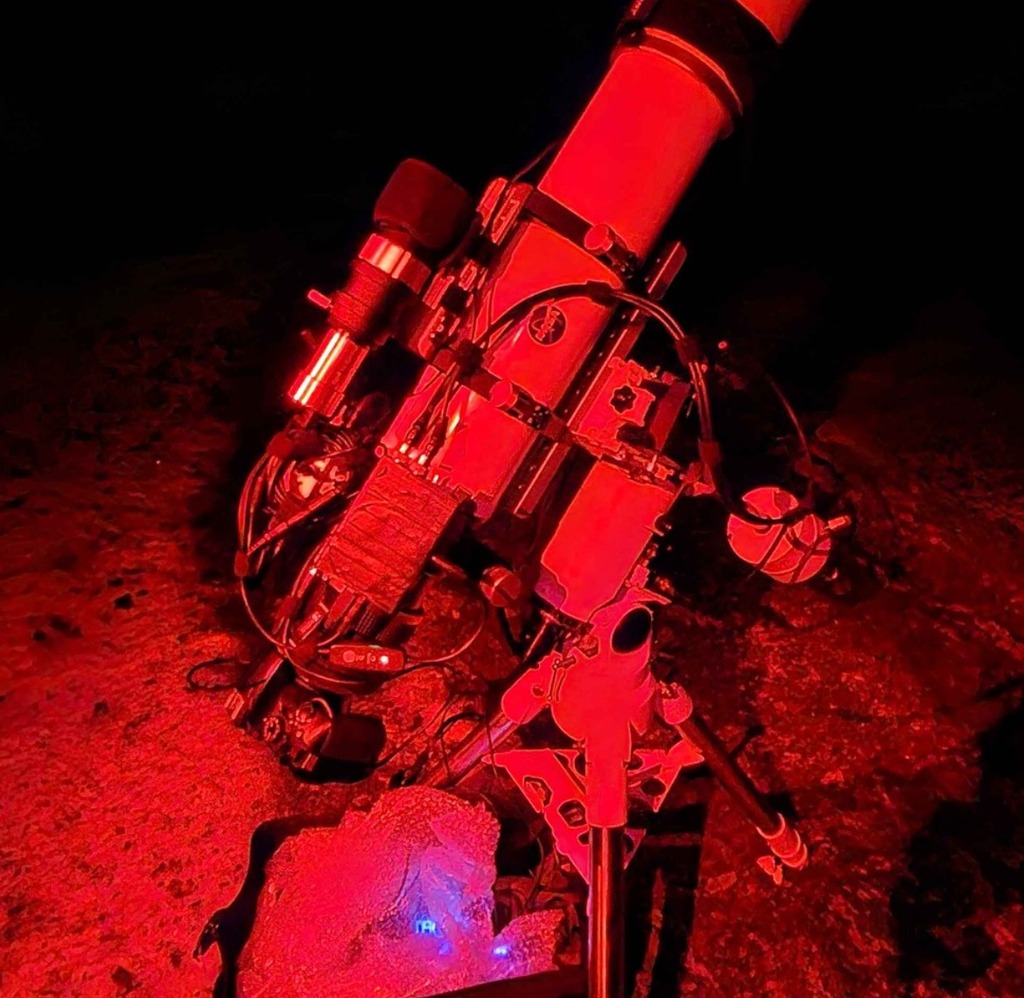
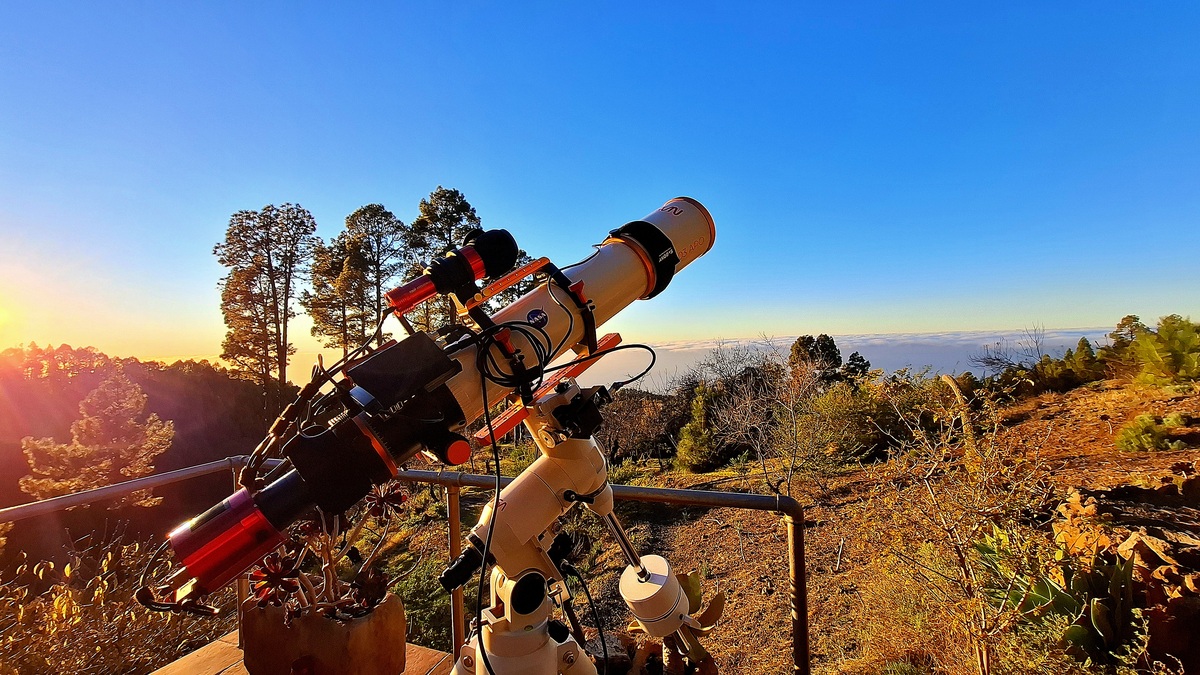
I live and work in Europe, often traveling with my caravan and telescope setup to dark-sky locations. There, beneath some of the clearest skies, I capture deep-sky objects with patience, dedication, and the belief that the wonders of the universe should be shared with everyone.
Through fzastro.com, I want to make the infinite feel closer—to inspire curiosity, awe, and a deeper connection with the cosmos.